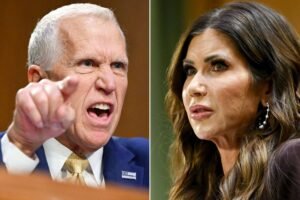

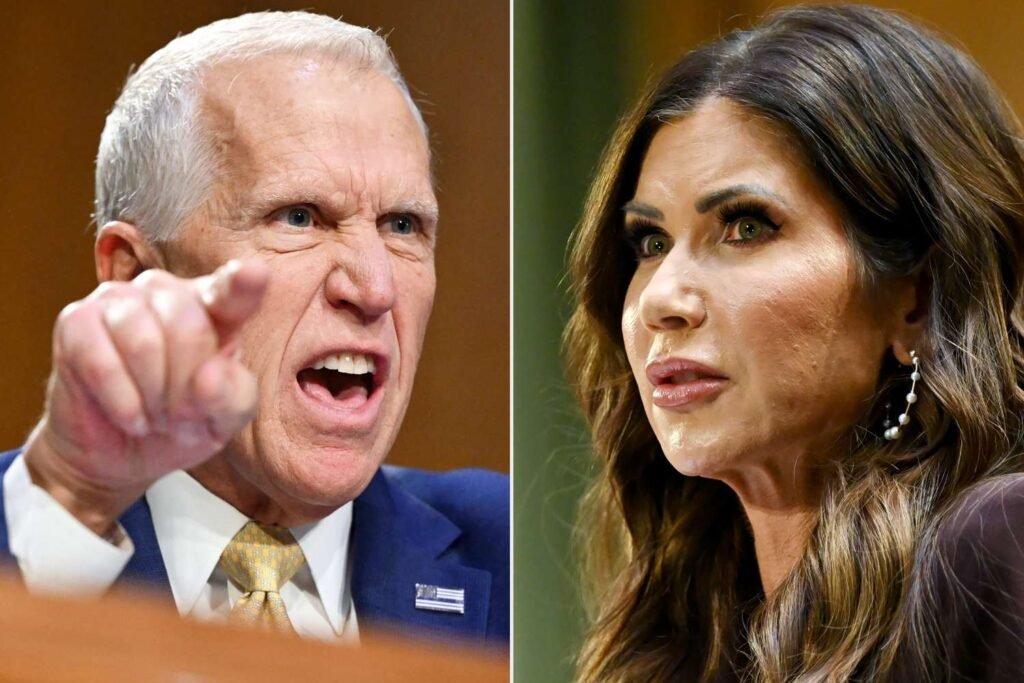
The latest fireworks in Washington concern another high-profile Republican falling out at the upper levels of the Trump administration. On March 3, Thom Tillis, a retiring North Carolina senator, publicly accused **Kristi Noem of violating federal law and presiding over a disaster at the Department of Homeland Security, sparking a political confrontation that goes far beyond Senate committee theatrics. This matters to Durham because it underscores how federal leadership — or the lack of it — directly affects communities here and across the state.
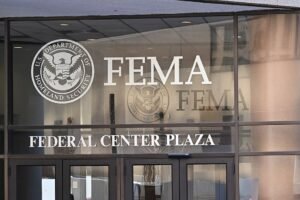
Tillis unloaded a blistering critique of Noem during a Senate Judiciary Committee hearing, lambasting her oversight of the Federal Emergency Management Agency. He framed her new policy requiring her personal approval of every Department of Homeland Security expenditure above $100,000 as not only bureaucratic overreach but potentially unlawful. Tillis argued that the Homeland Security Act of 2002 prohibits a secretary from restricting FEMA’s core mission and that Noem’s approach has slowed the deployment of critical disaster funds.
This row is about more than headlines. Hurricanes like Helene in 2024 inflicted an estimated $60 billion in damage on western North Carolina, wrecking homes, roads and livelihoods. Timely federal reimbursements from FEMA matter in Durham, in rural counties and everywhere between. But residents are still waiting for relief that has been authorized by Congress yet held up in red tape and internal reviews that even agency staff describe as a “bottleneck.”
Tillis left no ambiguity in his language, saying “You failed at FEMA,” and asserting that North Carolinians are hurting because of how Noem’s policies have been implemented. He threatened to block Homeland Security nominations and disrupt committee work if he does not get clear answers on why millions in funds are tied up. That is political muscle rarely displayed by a senator from our state. The stakes here are not abstract. When disaster strikes Eastern North Carolina or the Triangle, FEMA is the lifeline residents rely on. Delays in reimbursement mean longer stretches of uninsured expenses for counties and municipalities struggling to rebuild.
But what is unfolding is also a broader indictment of federal governance during crises. Noem’s critics, including Democratic lawmakers, point to a report from the Senate Homeland Security and Governmental Affairs Committee that says her personal review process for grants and contracts over $100,000 has created “bureaucratic gridlock.” In some cases more than 1,000 contracts and grants waited weeks for approval, delaying recovery projects such as housing repairs, debris removal and employment support programs for storm survivors.
In Washington it is often said that laws matter only if they are enforced. Yet here we stand with a top federal official accused by a senator from her own party of violating a statute designed to protect disaster response. The confrontation has drawn attention from far beyond North Carolina, especially after Noem had to fend off questions from both Democrats and Republicans in a hearing marked by fierce cross-examination.
Noem’s defenders maintain that her policies aim to cut waste and ensure accountability. They argue that additional oversight of federal expenditures can prevent fraud. Yet when disaster strikes, waiting for bureaucratic sign-off — by one individual — on every tranche of rebuilding assistance is not accountability. It is paralysis.
For Durham residents paying close attention to federal leadership, this clash should trigger hard questions about how well the systems intended to support communities in crisis actually perform. Hurricanes do not wait on political calendars. Floodwaters do not pause for legislative gridlock. Families do not get to choose the speed with which aid arrives.
Beyond aid delays, the hearing exposed other fractures within the Department of Homeland Security. Tillis cited a letter from the DHS Office of Inspector General alleging that department leadership had obstructed oversight investigations. That accusation, from within DHS’s own watchdog mechanisms, elevates these disagreements from political posturing to institutional dysfunction.
Durham is home to researchers, emergency planners and public servants who have spent years advocating for resilient infrastructure and disaster preparedness. Residents and local leaders understand that federal responsiveness — not just federal promises — determines how quickly families and small businesses recover after tragedy. When bureaucratic policy becomes an obstacle rather than a tool, it is not just rhetoric; it is the lived experience of people trying to rebuild their lives.
At its core, the Tillis-Noem confrontation reveals a dangerous blind spot in national governance: a disconnect between partisan battles in Washington and the practical realities facing communities at home. North Carolinians have endured deadly hurricanes, pandemic health emergencies and economic pressures. They deserve a federal leadership that sees these challenges as obligations, not opportunities for political brinkmanship.
The people of Durham should ask themselves this: when federal agencies stumble, when law is questioned, when disaster funds are delayed, who bears the cost? The answer is always the same — it is the people, not the politicians. Washington must be accountable to that reality.
In a time of rising climate threats and increasing natural disasters, bungled bureaucratic processes are something North Carolina cannot afford. If federal leadership falters now, the consequences will reach every corner of this state, including Durham.
Every resident, every small business owner, every parent who has watched storms devastate communities should be watching this spectacle closely. Because when disaster strikes again, the question will not be who caused the storm. The question will be who was in charge when it mattered most. And right now that question is being asked in the Senate Judiciary Committee in Washington. That is where the fight for Durham’s future is playing out.