A High Stakes Contest Set to Shape North Carolina’s Political Future

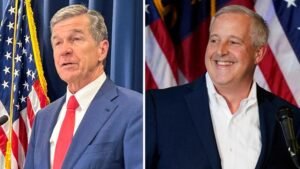
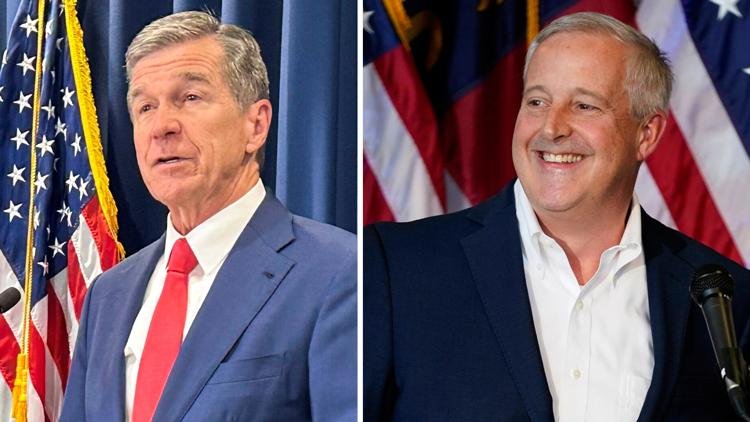
One of the marquee matchups of the 2026 midterm elections has officially taken shape in North Carolina, a state long considered a political bellwether. On Tuesday, **Roy Cooper, the two-term former governor and standard-bearer for Democrats, secured his party’s nomination for the U.S. Senate. He will face **Michael Whatley, former chair of both the North Carolina Republican Party and the Republican National Committee, who won the Republican nomination in a competitive primary. The general election is scheduled for November 3, 2026. The seat is open following the decision by Republican Senator Thom Tillis not to seek re-election, creating a rare opportunity in a battleground state where control of the U.S. Senate could hinge on voter sentiment here. Why This Race Matters to Durham For Durham, a historically progressive city anchored in academic institutions and a diverse economy, the prominence of this Senate race carries both local and national implications. North Carolina has been among the most closely contested states in recent cycles. In 2024, the state narrowly backed former President Donald Trump in the presidential race while electing Democrat **Josh Stein as governor. That mix of outcomes underscores a competitive electorate where Durham’s heavy Democratic turnout can be decisive. Durham County, home to Duke University, North Carolina Central University and a growing technology corridor, has been trending strongly Democratic in federal and statewide elections. In contests for U.S. House seats and statewide offices such as governor, Durham’s margins have been among the highest for Democratic candidates. That dynamic gives local political organizations and activists a meaningful role in statewide turnout operations toward November. For residents of Durham and eastern North Carolina, the presidential midterm season is not only about congressional control but about how federal leadership will approach issues that affect everyday life here. Key concerns in the campaign include the cost of living, health care affordability, public safety, economic development and infrastructure investment. These themes have surfaced repeatedly in early campaign messages from both Cooper and Whatley. Profiles of the Nominees Roy Cooper Cooper’s nomination was never in serious doubt after he entered the race in mid-2025. As a veteran of statewide elections, he brings unparalleled name recognition to the contest. After serving as attorney general for 16 years, Cooper won the governorship in 2016 and was re-elected twice, building a reputation for bipartisan cooperation on issues such as Medicaid expansion and disaster response. His victories across North Carolina’s diverse electorate have made him a familiar presence from urban centers to rural counties. In campaign statements this week, Cooper framed his bid as essential to addressing economic pressures facing working families, including rising health care and housing costs. He has also positioned himself as willing to work across party lines when North Carolinians’ interests are at stake. Michael Whatley Whatley’s path to the Republican nomination reflects his long tenure in party leadership. After leading the state GOP and later the national party apparatus, he leveraged broad establishment support, including the endorsement of former President Trump, to secure the nomination. Whatley has never held elected office before, a fact his critics on both sides have noted, but his leadership experience within party structures gives him deep connections with Republican organizers and donors. In recent remarks, Whatley has stressed issues such as border security, public safety and economic growth, sharply contrasting his platform with Cooper’s record as governor. His campaign rhetoric aligns closely with national conservative priorities while attempting to tailor messaging to resonate with North Carolinians outside the party base. Durham’s Role in a National Battle North Carolina remains central to the broader national contest for control of Congress. Democrats must flip at least four Senate seats to regain a majority in the chamber. Cooper’s candidacy is widely viewed as one of their best chances to make up ground, particularly in states where Democratic fortunes have been inconsistent. Political analysts have noted that a victory here could signal shifting political winds in 2026 and give national Democrats momentum heading into future cycles. Conversely, a Republican win would help preserve the party’s narrow majority and signal continued strength in key battlegrounds. Whatley’s alignment with national conservative leaders, especially former President Trump, suggests that the November matchup will be as much about national narratives as local policy debates. For voters in Durham, this Senate campaign offers a chance to weigh in on fundamental questions facing the nation. From supporting federal funding for education and health care to debating the allocation of resources for infrastructure and climate resilience, North Carolina’s voters will have a direct say in the direction of national governance. Looking Ahead With primaries now concluded, both campaigns are already preparing for an expensive and highly competitive general election. Early reports suggest that national party committees and independent groups are poised to invest heavily in North Carolina, making the state a focal point of midterm advertising and organizing. Analysts anticipate that this may be one of the most expensive Senate races in U.S. history. As the campaign season unfolds, The Bull City Citizen will continue to provide in-depth coverage on how this race is shaping up locally. We will track policy proposals, campaign visits in the Durham area and key indicators of voter enthusiasm throughout the spring and summer months. The choices made by North Carolinians this November will not only determine their representation in Washington but the balance of power in the United States Senate for the years to come.

One of the marquee matchups of the 2026 midterm elections has officially taken shape in North Carolina, a state long considered a political bellwether. On Tuesday, **Roy Cooper, the two-term former governor and standard-bearer for Democrats, secured his party’s nomination