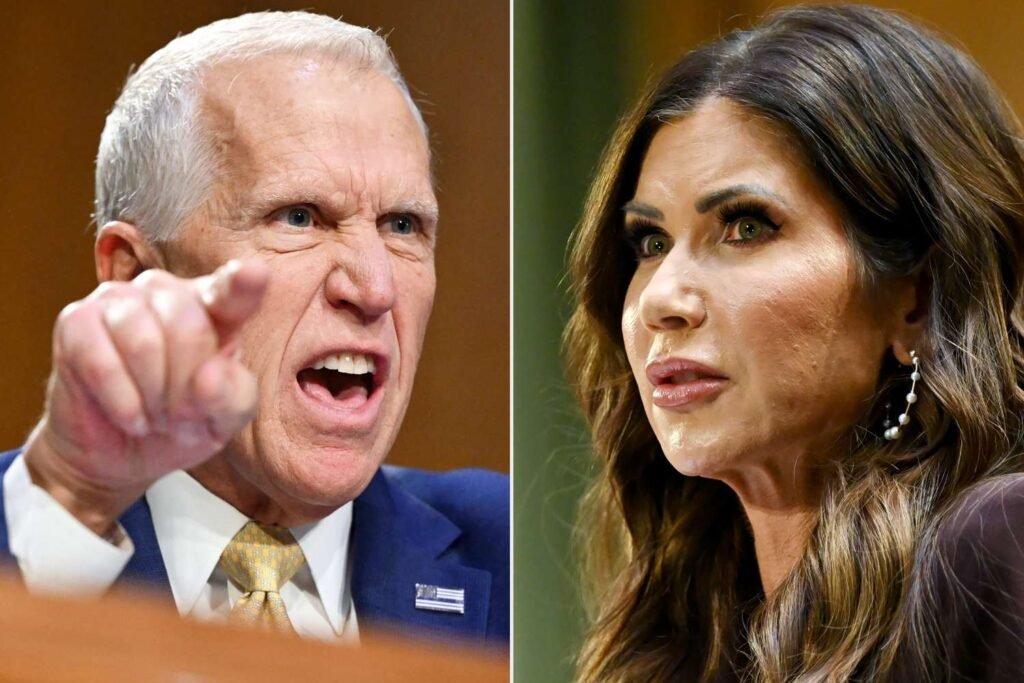
Opinion: Durham Should Be Watching Thom Tillis’ Noem Showdown
The latest fireworks in Washington concern another high-profile Republican falling out at the upper levels of the Trump

The latest fireworks in Washington concern another high-profile Republican falling out at the upper levels of the Trump
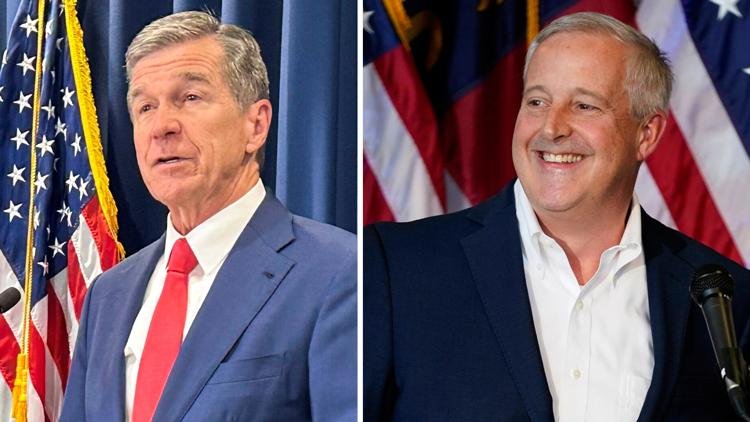
One of the marquee matchups of the 2026 midterm elections has officially taken shape in North Carolina, a
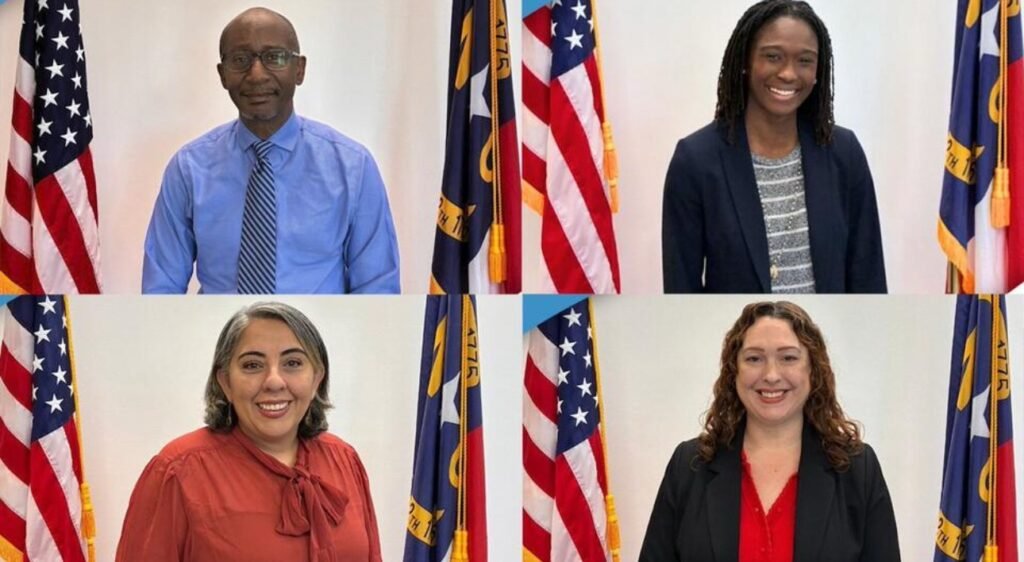
The results mark one of the more consequential school board transitions in recent memory for a district that oversees more than 30,000 students and sits at the center of Durham’s ongoing debates over equity, funding and student performance.
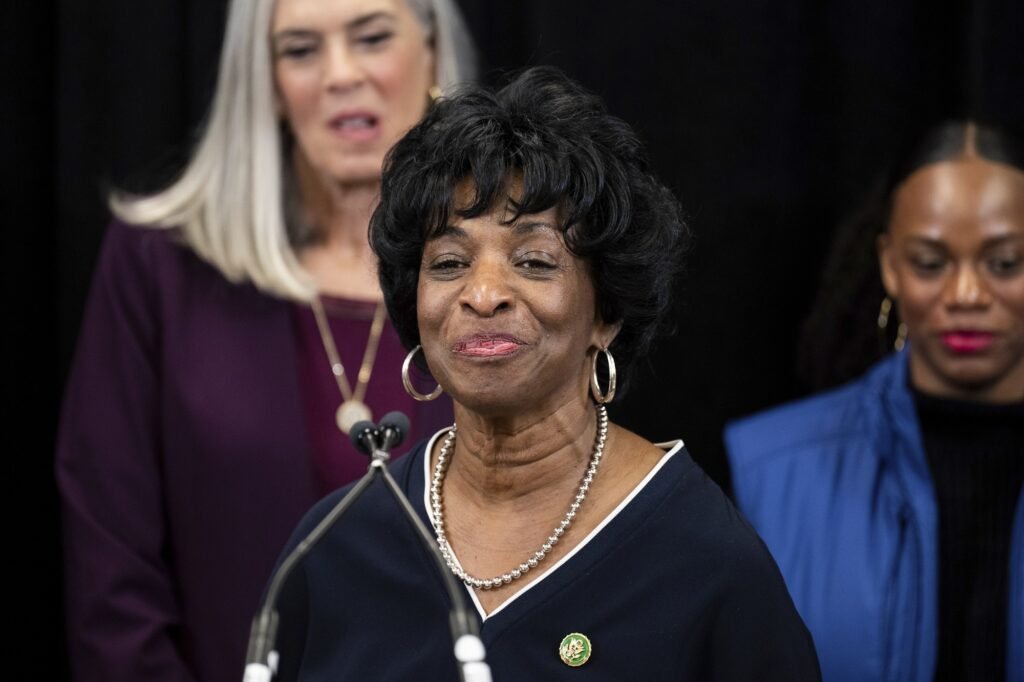
In Durham’s deeply engaged 4th Congressional District, foreign policy has become local politics. Rep. Valerie Foushee’s record on Israel — once aligned with Democratic consensus — is now under scrutiny among a base shaped by campus activism, faith communities and a new generation of voters. As Durham heads into the March 3 primary, the question is not only about the Middle East, but about what kind of representation Bull City wants in Washington.
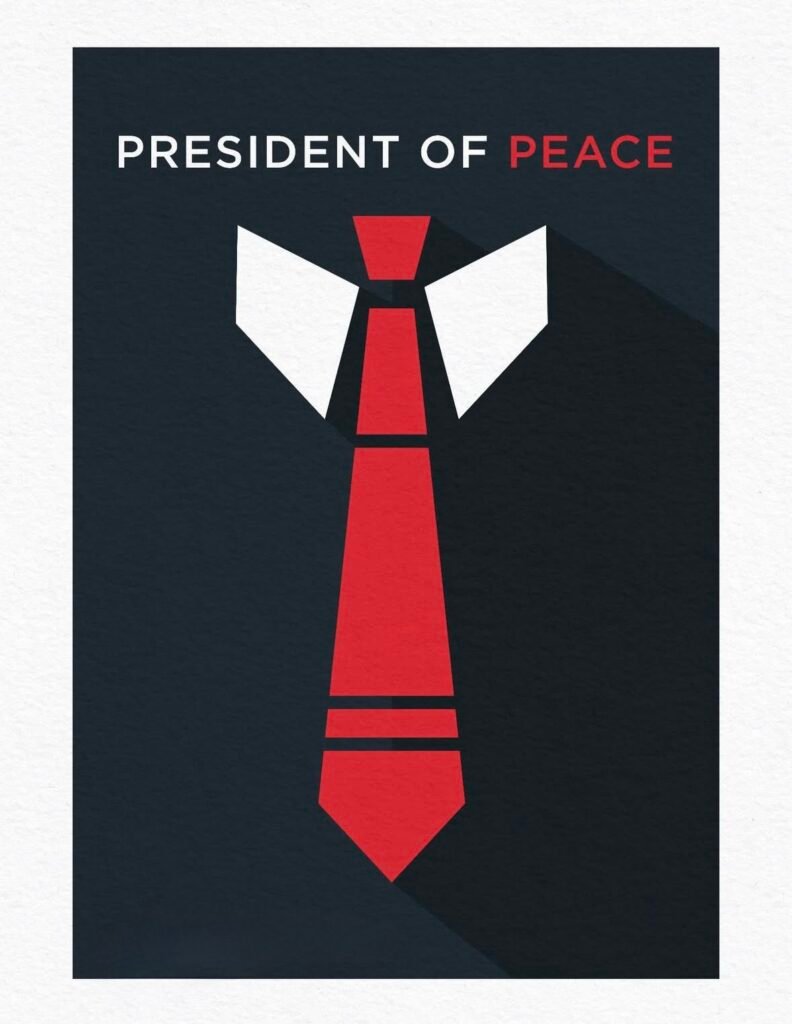
Though the airstrikes unfolded thousands of miles away, the consequences are already being felt in Durham. Rising oil prices threaten higher gas and grocery costs, local veterans are voicing concern about renewed U.S. military entanglement, and university campuses across the Triangle are grappling with the legal and humanitarian fallout. In an interconnected economy, foreign conflict does not stay foreign for long — it reaches into household budgets, community conversations and the daily rhythms of Bull City life.
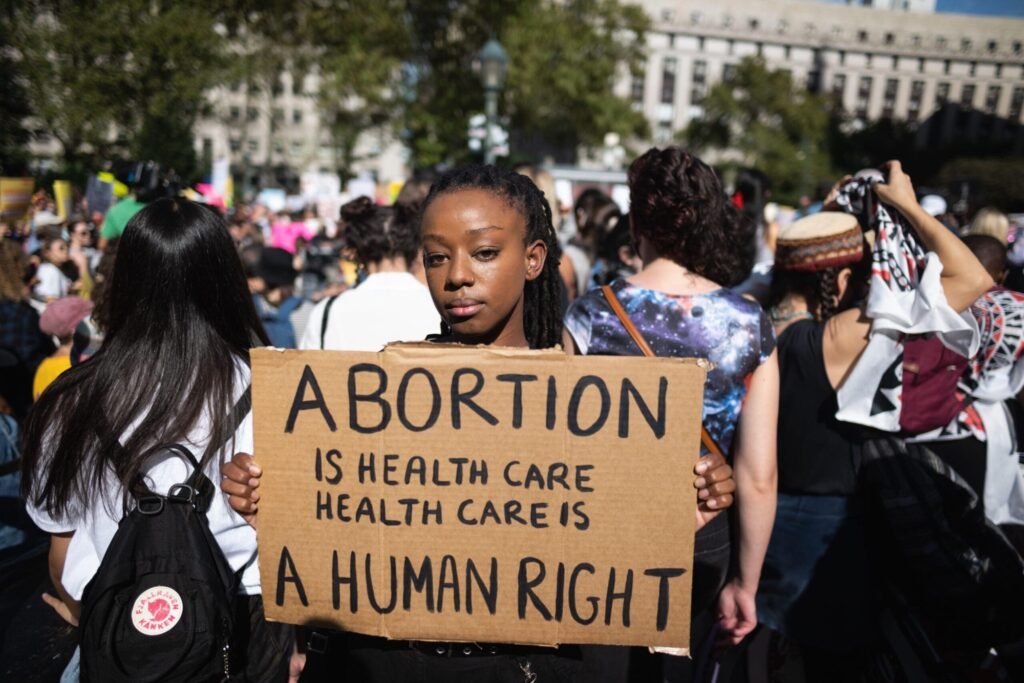
Two Tennessee lawmakers have introduced legislation that would classify receiving an abortion as criminal homicide — potentially punishable by life imprisonment or even the death penalty — marking one of the most aggressive post-Dobbs efforts yet to redefine reproductive healthcare under state criminal law. As the proposal ignites fierce debate nationwide, its implications extend well beyond Tennessee, raising urgent constitutional questions and placing states like North Carolina at the center of a rapidly shifting legal landscape.
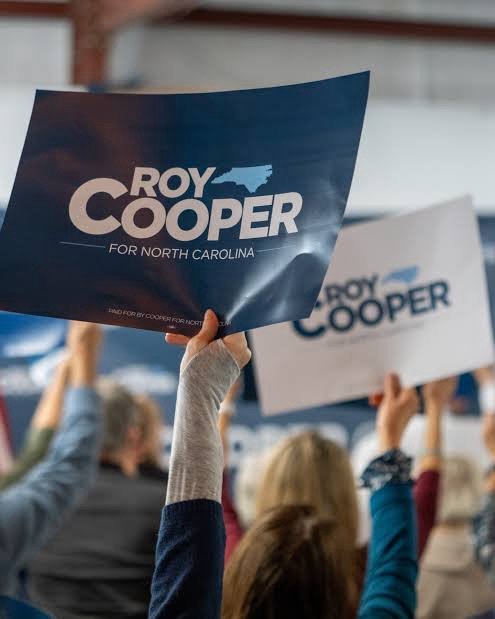
As North Carolina’s next election cycle takes shape, Durham voters are asking a simple question: who has actually used power to protect ordinary people when it mattered most? Roy Cooper’s record offers concrete answers. From issuing an executive order that stopped utility shutoffs during the pandemic to signing Medicaid expansion that opened health coverage to hundreds of thousands of North Carolinians, his policy choices have repeatedly centered families over industry convenience.
In a state where energy costs, medical debt and housing pressure strain household budgets, those decisions are not symbolic. They are measurable interventions that kept lights on, prescriptions filled and finances intact. For many in Durham, that record makes Cooper — thus far — the only candidate clearly demonstrating a willingness to put the people of North Carolina first.
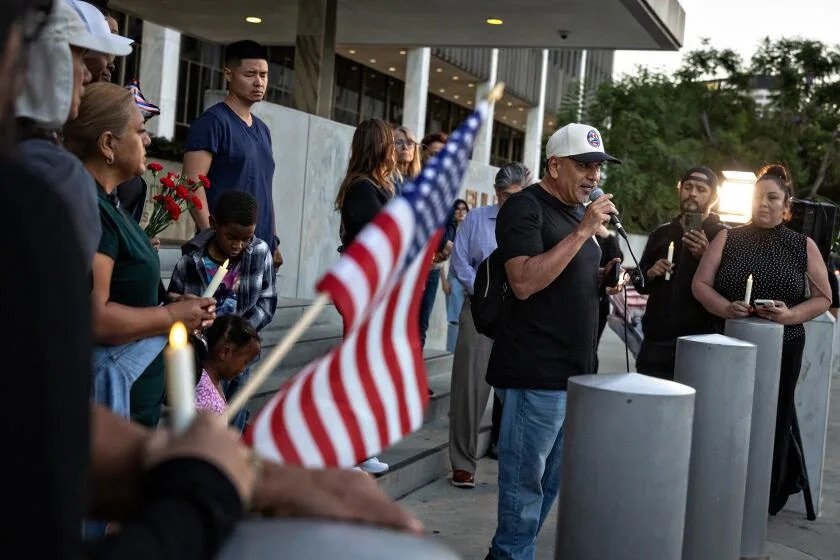
Durham, NC — On September 10, 2025, video from Huntington Beach, California, lit up social media. Dozens of
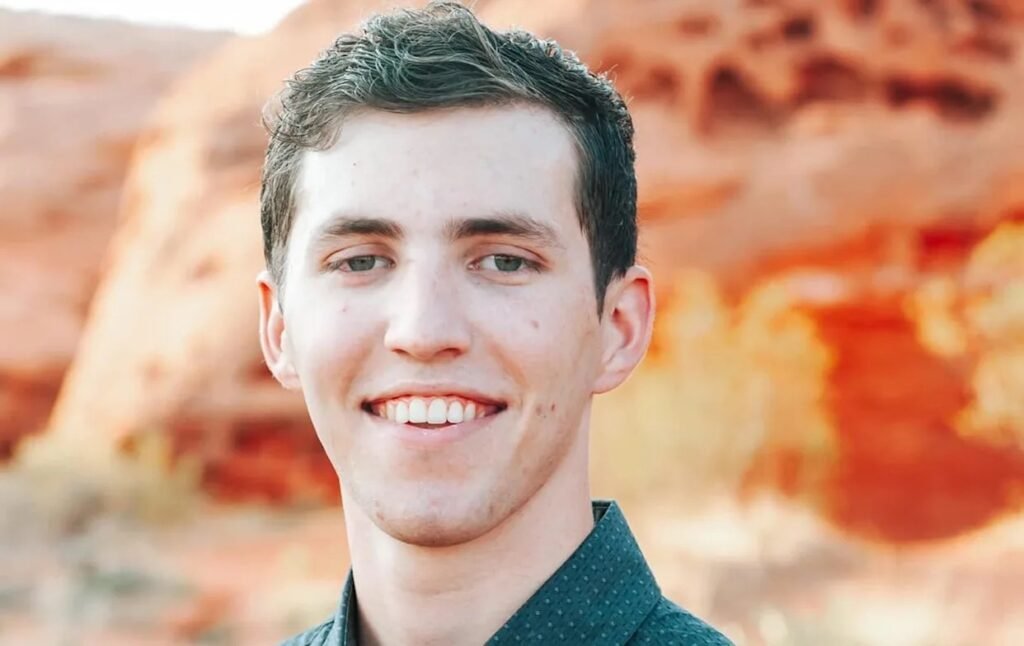
For Durham residents, the questions feel urgent — and deeply personal. Kirk may have lived and worked thousands of miles away, but the echoes of his death ripple through Bull City streets just as forcefully as anywhere else.
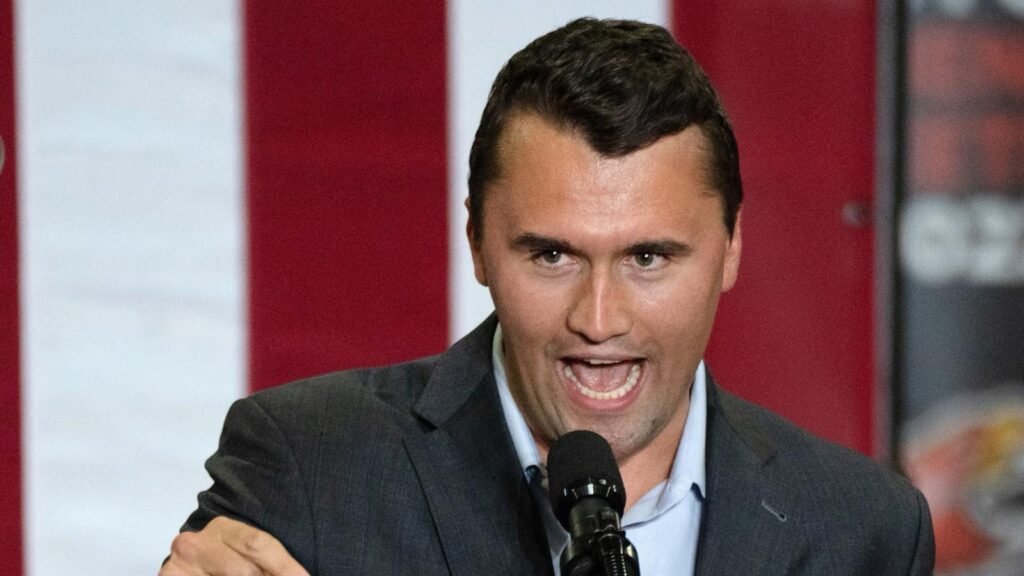
OREM, Utah — Thursday, September 11, 2025 Charlie Kirk, the divisive founder of Turning Point USA and a