
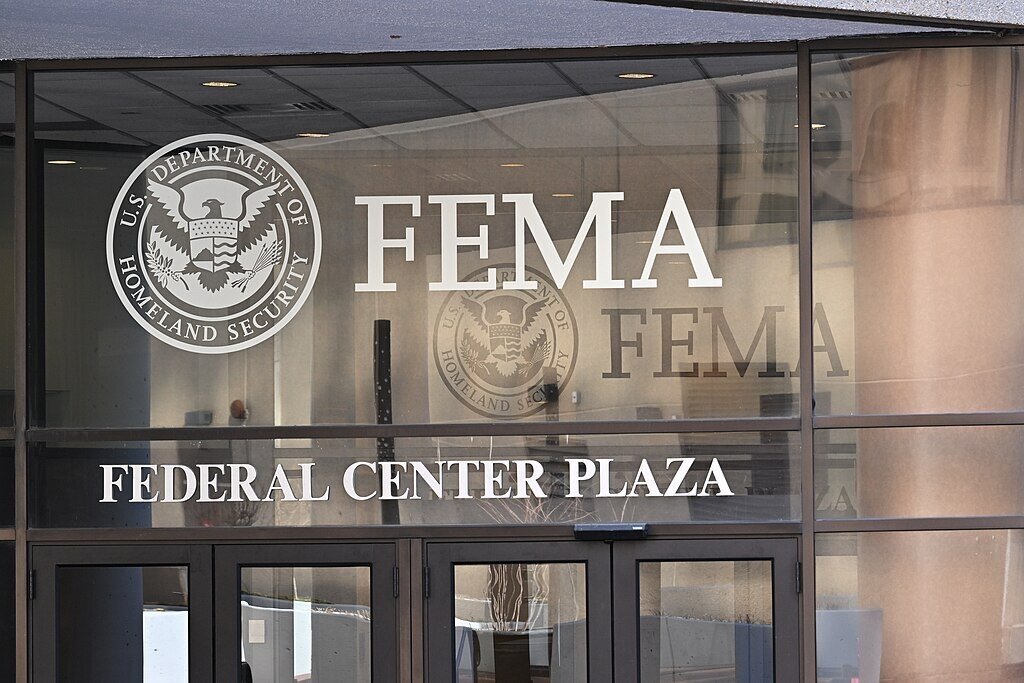
North Carolina has received more than $90 million in federal reimbursements from the Federal Emergency Management Agency, a significant infusion of funds aimed at supporting local governments in western North Carolina still rebuilding after Hurricane Helene.
Governor Roy Cooper announced the reimbursement this week, noting that the funding will help “replenish the depleted coffers of local governments” that absorbed substantial storm-related costs during and after the disaster.
The reimbursement, routed through FEMA and administered under the federal Public Assistance program, is designed to compensate state and local governments for emergency response, debris removal, infrastructure repairs and other qualifying recovery expenses.
But beyond the headline figure, the funding reveals a deeper story about disaster finance, federal-state coordination and the long road to recovery that continues months after the storm made landfall.
The Cost of Hurricane Helene
Hurricane Helene struck parts of western North Carolina with historic rainfall and flash flooding, overwhelming mountain communities and damaging roads, bridges, water systems and public buildings. Early damage assessments from the North Carolina Department of Public Safety estimated hundreds of millions of dollars in public infrastructure losses.
Under FEMA’s Public Assistance program, local governments typically must front the cost of emergency response and recovery, then apply for reimbursement. That process can take months, and in some cases years, depending on documentation and federal review.
For rural counties with limited reserves, that delay can strain operating budgets and restrict future spending on public services.
“The reality is local governments often carry the financial burden first,” said a former state emergency management official. “FEMA reimbursements are essential to restoring fiscal stability.”
Why Reimbursements Matter
The $90 million represents reimbursement not new discretionary spending. These funds repay eligible expenses already incurred by local governments during disaster response.
Without reimbursement, counties and municipalities may be forced to:
• Delay infrastructure repairs
• Deplete emergency reserves
• Raise property taxes
• Cut public services
Western North Carolina counties such as Buncombe, Haywood and Henderson reported significant storm recovery expenditures in the immediate aftermath of Helene. Public safety overtime, temporary sheltering, debris removal and road stabilization costs mounted rapidly.
FEMA assistance generally covers 75 percent of eligible costs, though Congress and the White House may authorize higher federal cost shares in extraordinary disasters.
The Role of DHS and Federal Coordination
In his statement, the governor urged the U.S. Department of Homeland Security, which oversees FEMA, to act swiftly on additional reimbursements and to approve property buyouts in flood-prone areas.
Floodplain buyouts are a separate but critical part of long-term disaster mitigation. Through FEMA’s Hazard Mitigation Grant Program, homeowners in repeatedly flooded zones may sell their properties to local governments, allowing land to be converted to open space and reducing future disaster risk.
However, buyout approvals often face bureaucratic delays due to environmental reviews, appraisals and federal compliance requirements.
According to FEMA data, mitigation investments can save up to $6 in future disaster costs for every $1 spent. But the approval process frequently tests the patience of homeowners awaiting resolution.
What This Means for Durham
While Hurricane Helene primarily impacted western counties, the fiscal implications extend statewide.
North Carolina’s disaster recovery funding often involves cost-sharing between federal, state and local governments. When local governments struggle financially, pressure can shift to state budgets affecting appropriations across multiple regions.
Durham residents may feel the ripple effects through:
• State budget adjustments during legislative sessions
• Reallocation of emergency preparedness funding
• Infrastructure grant competition
• Insurance premium trends statewide
Additionally, Durham’s own flood-prone areas along Ellerbe Creek and the Eno River place the city within ongoing statewide discussions about resilience funding.
Emergency management experts note that disaster recovery increasingly requires coordination across regions, especially as extreme weather events become more frequent.
A Broader Pattern of Climate and Recovery Spending
In recent years, FEMA’s Disaster Relief Fund has faced strain due to repeated high-cost events nationwide. Congress has periodically approved supplemental disaster aid packages to stabilize the fund.
North Carolina alone has received billions in federal disaster assistance over the past decade following hurricanes such as Matthew, Florence and Helene.
Public policy analysts suggest that the state’s growing population, coupled with more intense weather systems, may increase the frequency and cost of future reimbursements.
“The $90 million is significant,” said a Raleigh-based fiscal policy researcher. “But it’s also part of a much larger cycle of disaster financing that will likely define state budgets for years.”
The Political Dimension
Federal reimbursements also carry political implications. Governors often rely on congressional delegations to advocate for faster approvals, higher cost shares and supplemental funding.
The governor’s public acknowledgment of the North Carolina congressional delegation underscores the bipartisan coordination often required in disaster response.
However, disaster funding can also become a flashpoint in federal budget debates, particularly when Congress negotiates spending caps or supplemental aid packages.
As North Carolina approaches the March 3 primary election, disaster response and federal partnership may emerge as quiet but consequential issues shaping voter perception.
Recovery Is a Marathon, Not a Moment
The arrival of $90 million does not signal the end of Helene’s recovery.
Rebuilding public infrastructure, stabilizing flood zones and approving buyouts are processes measured in years, not weeks.
For communities in western North Carolina, the reimbursement offers financial breathing room. For Durham and the rest of the state, it serves as a reminder that disaster resilience is a shared responsibility and a shared fiscal reality.
As North Carolina continues navigating recovery, federal coordination and long-term climate planning, The Bull City Citizen will provide ongoing analysis of how these decisions affect taxpayers, homeowners and local governments across the state.
Because even when storms strike miles away, the consequences shape us all.